
Pros and Cons of Each Window Material
Buying new windows is a long-term investment in your home’s comfort, efficiency, and value. You want something that looks great and performs well for years to come. That’s why the material your windows are made of really matters. The window material you choose affects energy efficiency, durability, maintenance, aesthetics, and cost. So, let’s break down the strengths and weaknesses of six common window materials—vinyl, wood, fiberglass, aluminum, steel, and composites—to help you match performance and budget to your home’s needs.
Vinyl Windows
Vinyl windows are made from polyvinyl chloride (PVC), a synthetic plastic known for being low-maintenance and resistant to moisture and insects. Vinyl is a good choice for people looking to save money in the short term.
Vinyl Window Pros
- More affordable: Vinyl windows usually have a lower upfront cost and are widely available, but good quality vinyl isn’t as cheap as it once was.
- Low maintenance: Vinyl windows don’t need painting and won’t rot.
- Moisture-resistant: Vinyl windows perform well in humid environments.
Vinyl Window Cons
- Expansion/contraction: Thermal movement is an issue with vinyl windows and can lead to fit issues in extreme temperatures. Because of this, vinyl is more prone to seal failure. Once the seal around your windowpanes has failed your window loses energy efficiency and moisture becomes trapped between the panes. Your windows will need to be repaired or, more likely, replaced.
- Appearance: Vinyl windows are limited to fewer styles and color choices, and look less premium than wood, metal, or composite. Also, PVC/vinyl is difficult to paint, so you are stuck with the same color option until it is replaced.
- Size limitations: Because vinyl is a form of plastic, sizes are limited due to potential warping or malfunctions that could occur while operating the window.
- Environmental concerns: Vinyl windows are not environmentally sustainable. The production of vinyl (PVC) is energy-intensive and relies on fossil fuels. Also, while recyclable, they are not biodegradable and can release toxins if improperly disposed of.
Best for: Budget-conscious projects, low-maintenance needs.
Wood Windows
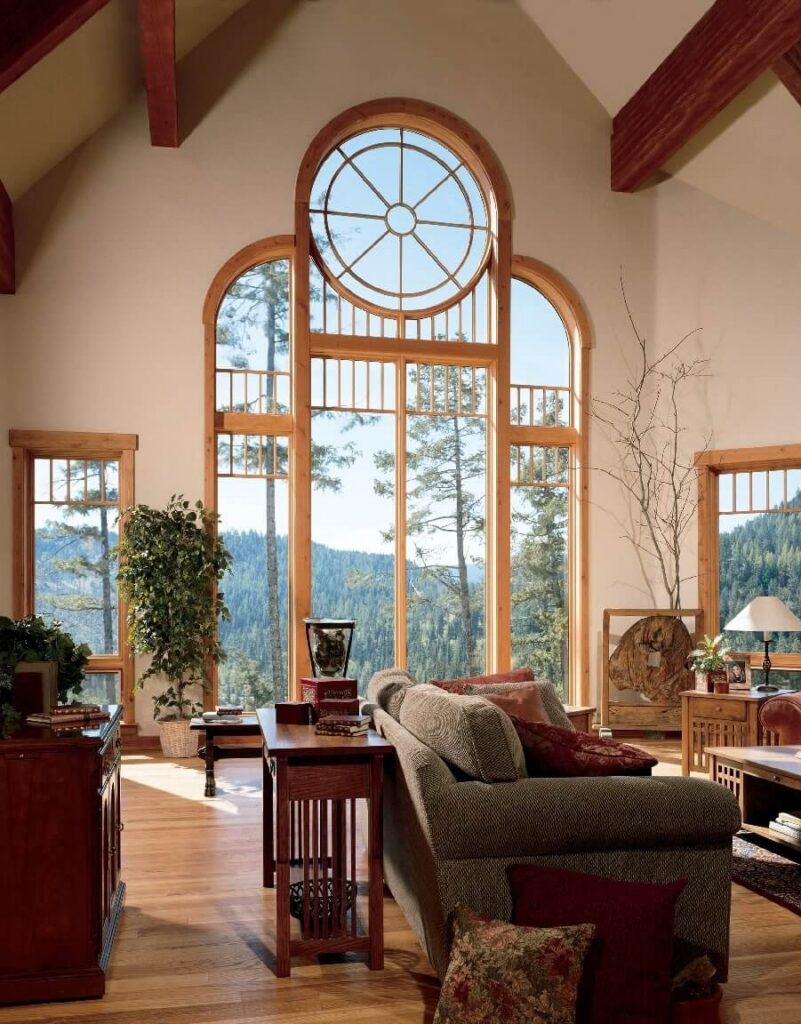
Wood is a natural material that adds warmth and richness to your windows. Choosing wood windows also brings a unique quality to your space since no two pieces of wood are exactly alike. Bringing your exact vision to life is possible because wood can be custom-made to fit virtually any size or shape, with the most intricate of details. Treatments such as stains and paints work well on wood windows.
Wood Window Pros
- Durability: With proper care, wood windows can last for decades and withstand temperature changes and daily use. They are strong, resilient, and built to perform for years.
- Aesthetic appeal: Every piece of wood is unique, and its natural grain and texture are highlighted beautifully when stained or finished. Wood windows add warmth, charm, and style to any room.
- Renewable resource: Wood is a renewable, sustainable material, making it an environmentally responsible choice. Selecting wood windows combines eco-consciousness with natural elegance.
- Energy efficiency: Wood is a natural insulator, helping to keep your home warm in the winter and cool in the summer. Properly designed wooden windows can improve energy efficiency.
Wood Window Cons
- Maintenance: Wood windows require periodic painting/staining and regular upkeep to prevent rot and insect damage.
- Cost: Wood windows are typically more expensive upfront and require some maintenance over time.
- Moisture sensitivity: Wood windows are susceptible to warping, swelling, and rot if not properly protected.
- Durability: Wood windows can have a shorter life outdoors unless well-maintained or clad.
Best for: Historic homes, premium aesthetics, interior décor continuity.
Fiberglass Windows
Fiberglass is engineered for outstanding performance and resilience. It’s one of the strongest materials used in window construction—up to eight times stronger than vinyl and designed to perform like steel. This remarkable strength allows for larger expanses of glass and slimmer frames, offering unobstructed views without sacrificing durability. Fiberglass windows naturally resist warping, rotting, fading, and chipping, ensuring your windows look and perform like new for years. Fiberglass is also low-maintenance and energy efficient, helping keep your home comfortable and your energy bills lower.
However, it’s important to note that all fiberglass is not the same. Look for pultruded fiberglass windows . Pultruded fiberglass is a strong, lightweight composite material made by pulling (pultruding) continuous glass fibers through a liquid resin bath and then through a heated die, creating a solid profile. This process combines the strength of glass fibers with the binding power of thermoset resins, resulting in corrosion-resistant, high-strength material used as an alternative to metal, wood, or vinyl.

Fiberglass Window Pros
- Exceptional durability: Fiberglass windows stand up to extreme weather without warping, cracking, or deteriorating.
- Energy efficiency: Fiberglass windows are very energy efficient due to their foam cores and low thermal conductivity. These insulating properties help regulate indoor temperatures and reduce energy costs.
- Low maintenance: Fiberglass does not require frequent painting or staining to stay beautiful.
- Customizable design: Fiberglass windows are available in a variety of styles, colors, and finishes to match most architectural designs.
- Sustainable choice: Long-lasting materials and energy-efficient performance make fiberglass windows environmentally friendly
- Appearance: Fiberglass window materials can mimic painted wood and are available in various finishes.
- Fiberglass clad windows: Fiberglass Exterior/Wood Interior windows combine the beauty of all wood interiors with the weather-resistance, durability, and low-maintenance of fiberglass exteriors.

Fiberglass Window Cons
- Cost: Fiberglass window materials are more expensive than vinyl, sometimes close to wood or composite window pricing.
- Limited color changeability: Factory finishes of fiberglass material are durable. When you are ready for a paint color change, make sure the product you are buying can be repainted successfully.
Best for: High-performance, low-maintenance replacements that require longevity and thermal stability.
Aluminum Window
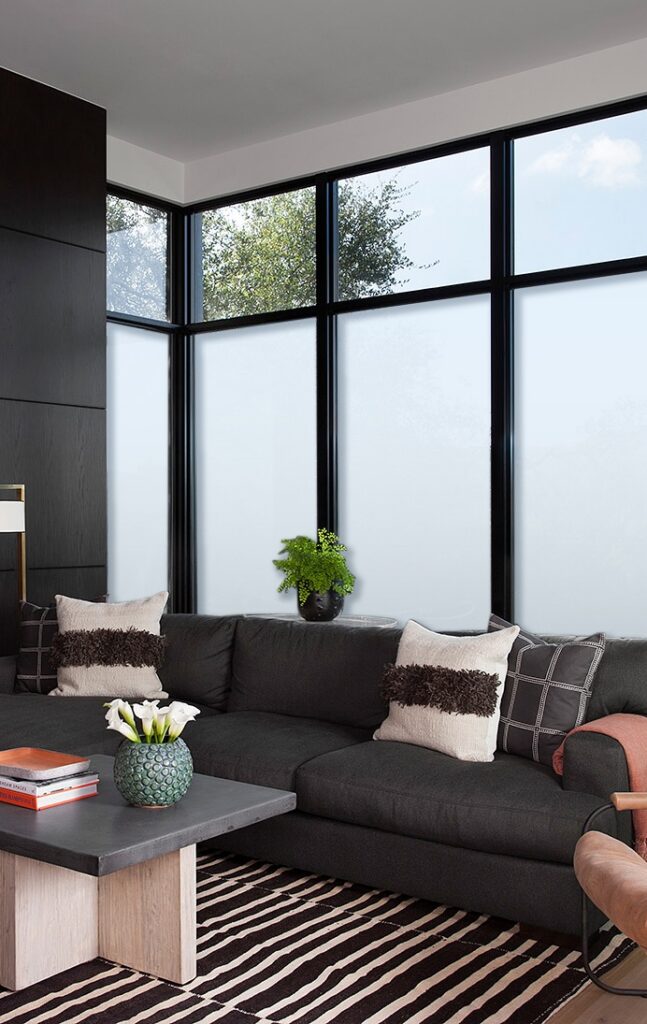
Aluminum is naturally resistant to warping, corrosion, and extreme weather. Aluminum windows are an excellent product for long-lasting and long-lived windows.
Premium aluminum windows are thermally broken, which means a non-metallic insulating barrier is placed between the interior and exterior aluminum frames. This technology stops the metal from transferring exterior temperatures inside, significantly increasing energy efficiency, improving comfort, and reducing condensation.
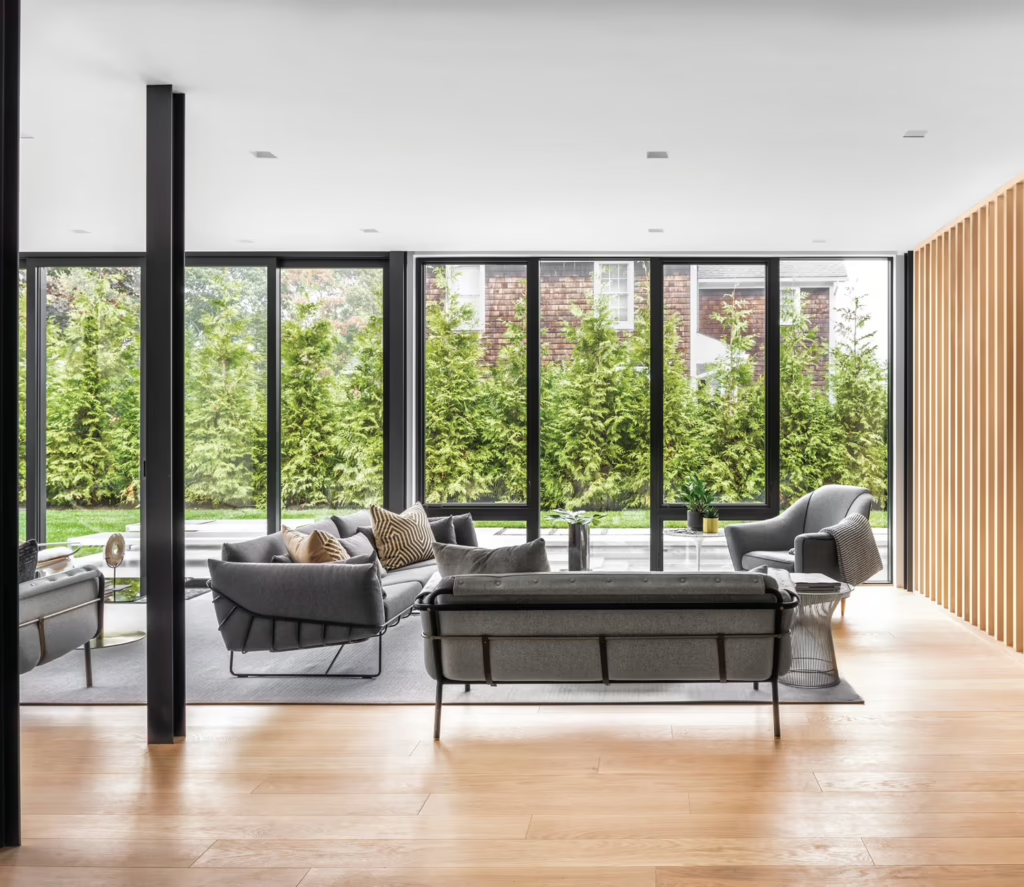
Look for aluminum windows with superior glazing, weatherstripping, and framing technology. High-performance paint options will last for years, reducing annual maintenance. Lastly, aluminum can be combined with multiple interior materials – such as wood, fiberglass, and aluminum – to produce traditional window products as well as modern windows with narrow profiles that support large expanses of glass.
Aluminum Window Pros
- Durability: Aluminum windows resist rust, corrosion, and warping for decades.
- Minimal maintenance: Compared to wood windows, aluminum windows require less work
- Strength: Extruded aluminum provides structural strength for large openings.
- Stability: Powder-coated finishes offer long-lasting protection and consistent color for years.
- Recyclability: Aluminum is highly recyclable.
Aluminum Window Cons
- Cost: Aluminum is more expensive than vinyl windows but less expensive than steel windows.
- Conductive: Unless thermally broken, aluminum windows can be cold to the touch and cause heat loss.
Best for: Large glass expanses, great look for modern homes.
Steel Window
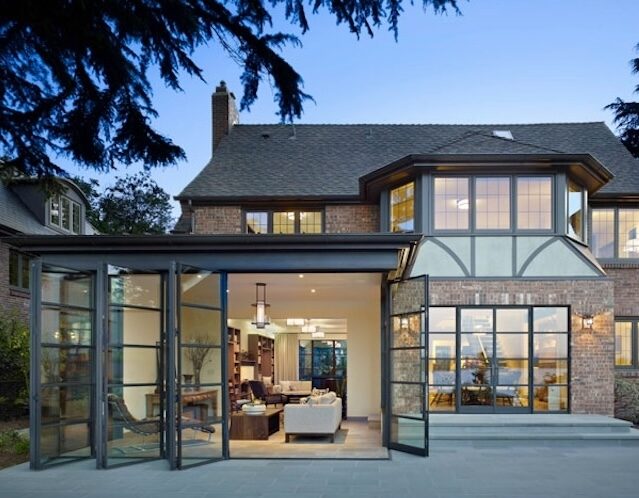
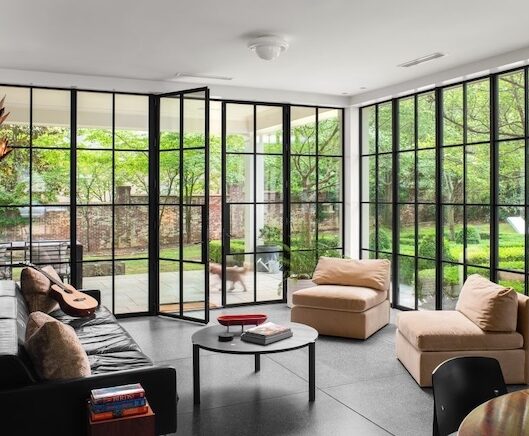
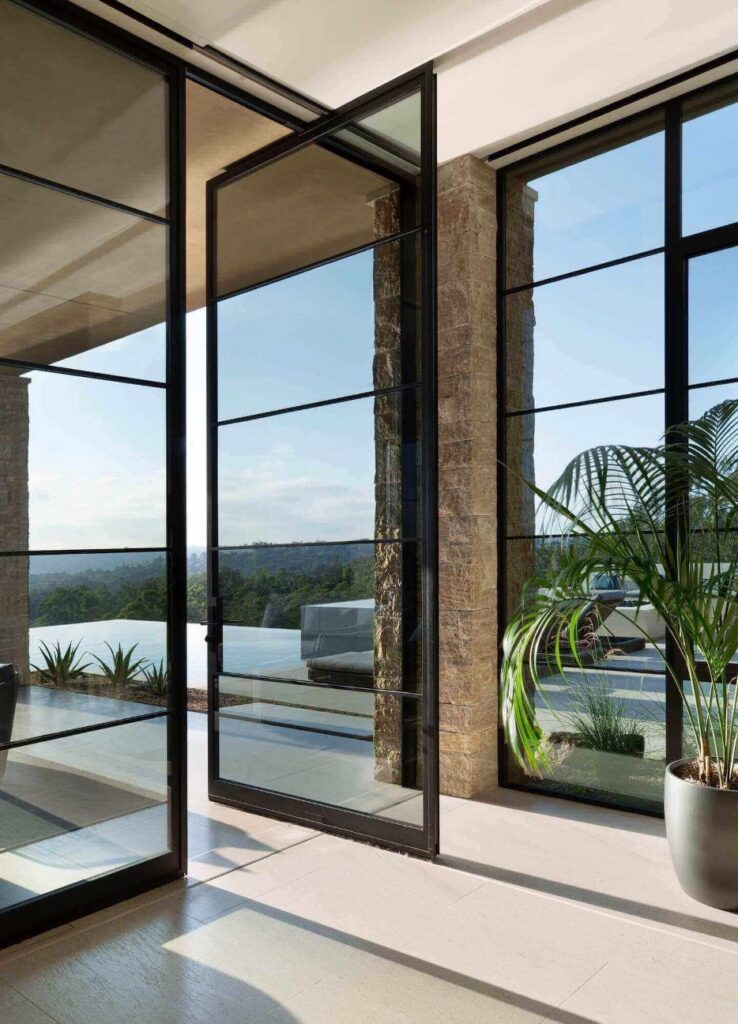
Steel windows deliver sleek sight lines and unmatched structural performance for modern and historic homes. Their incredible strength allows for ultra-narrow frames and expansive glass panels, creating bright, open spaces filled with natural light. Beyond their striking appearance, steel windows are built to last, as they resist warping, rust, and wear even in demanding environments. Perfect for both contemporary and classic designs, they offer a timeless blend of durability, precision, and refined sophistication.
Steel Window Pros
- Robust durability: Stainless steel windows resist rust and wear, ensuring long-term performance.
- Design flexibility: Steel can be shaped into custom designs with smooth, uninterrupted surfaces.
- Energy efficiency: Thermal breaks reduce heat transfer, keeping interiors comfortable.
- Strength and slender sight lines: Excellent for very large or narrow-profile windows and historic/industrial aesthetics.
- Security: Very strong and resistant to forced entry.
Steel Window Cons
- Corrosion: Steel windows are susceptible to rust unless stainless, coated with a protective coating, or well-protected from weather.
- Thermal bridging: Steel conducts heat and needs thermal breaks to meet energy codes.
- Cost: Steel windows are typically expensive due to material, fabrication, and installation costs.
- Weight: Steel windows require stronger structures and expert installation. Their weight is not conducive to many residential replacement projects.
Best for: Historic restorations, commercial buildings, industrial/loft-style architecture, projects requiring extreme strength.
Clad Windows (Aluminum or Fiberglass Outside/Wood Inside)
Cladded materials for wood window consist of a durable exterior protective layer—typically aluminum or fiberglass—bonded to a wood interior, combining natural aesthetic appeal inside with durability, low-maintenance, and weather resistance outside. They eliminate the need for painting, protect against rot and decay, and improve energy efficiency.
Wood Clad Window Pros
- Balanced performance: These windows combine the strengths of wood and fiberglass or aluminum (e.g., wood interior with aluminum exterior).
- Low maintenance: Wood-clad windows are designed to minimize upkeep while preserving appearance.
- Stability and insulation: Wood-clad windows are engineered for reduced movement and good thermal performance.
- Aesthetics: Wood-clad windows offer a warm, traditional appearance with high-end appeal that is easily painted or stained.
Wood Clad Window Cons
- Cost: Wood clad windows cost more than vinyl, and can approach or exceed wood, aluminum or fiberglass prices.
- Complexity: If cladding fails or wood rots, wood-clad windows are difficult to repair.
How to Choose
Now that you know a bit more about the pros and cons of each window material, how should you go about choosing the material that’s right for your home? Here are a few more things to consider.
- Budget vs. Lifespan: Basic aluminum, fiberglass, and wood-clad are best for longer service life and lower lifetime maintenance.
- Style and architectural accuracy: Wood, clad and steel are ideal for period-authentic or high-end looks.
- Energy codes and glazing: Material choice matters, but glazing type (low-E, gas fills, warm-edge spacers) often has as much or greater impact on performance.
- Maintenance willingness: If you want minimal upkeep, avoid raw wood and untreated metals.
As you can see, there’s no single “best” material—each has trade-offs. So how do you know which one to choose? That’s where we come in. Our window specialists take the time to understand your home, your goals, and your budget, then guide you toward the materials that truly fit. When you’re ready to explore your options, give us a call at (502) 896-1717, and one of our window professionals can help you decide what window material is right for your home!