What’s not to love about French doors? They’re a popular choice in home design—but where do they work best, and how do you choose the right option? We’ve explored the topic in depth to create this comprehensive guide, giving you the insight you need to confidently select the perfect French doors for your home.
What are French Doors?
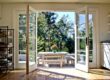
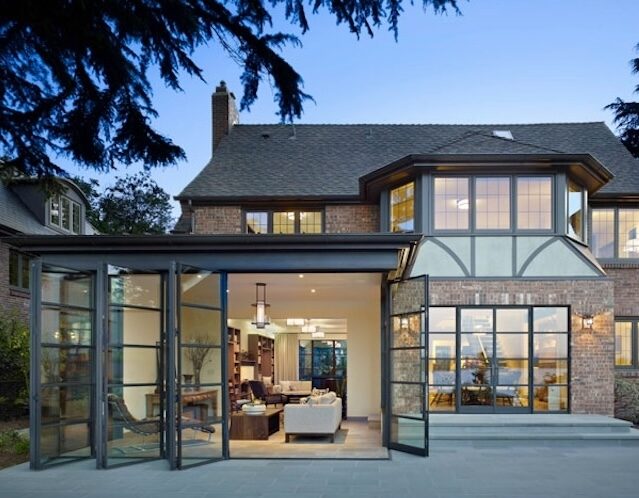
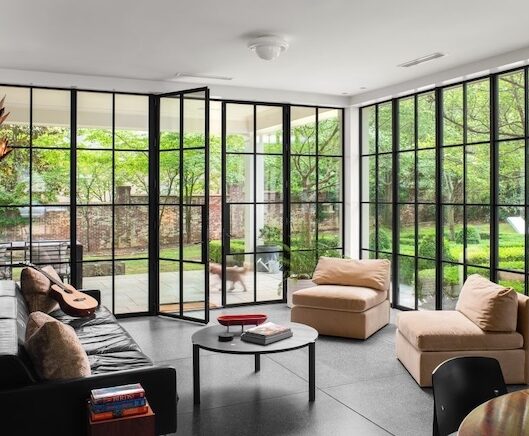
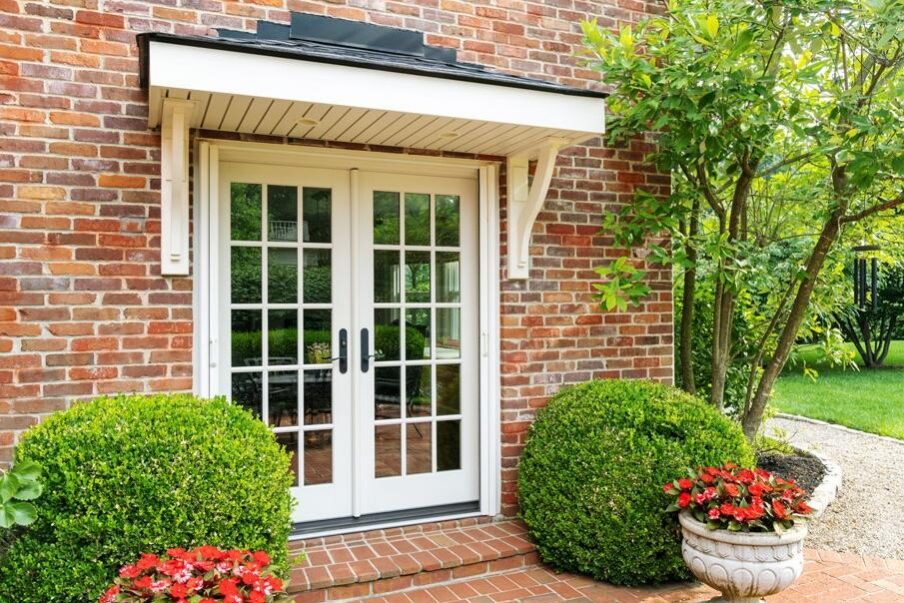
French doors are hinged doors featuring glass panes that extend the full length of the door. They can be configured as a single door or as a pair, depending on your space and design preferences. They’re ideal for bringing natural light into your home while adding a sense of openness and elegance. Interior French doors help create a bright, connected feel between rooms, while exterior French doors provide easy access to patios, decks, and outdoor living areas. Their timeless design also adds architectural interest and long-term value.
French doors date back to 17th-century France, where they evolved from tall casement windows, which were designed to let in light and provide access to balconies. By the 19th century, they had developed into the double-door style that has become a staple in homes across England and the United States. Their history is part of why they’re often associated with traditional design, though today’s options span a wide range of styles.
Are all French Doors Double Doors?
No, not all French doors are double doors. What defines a French door is its full-length glass design and hinged operation. While double-door configurations are common, single French doors are also widely available and can be a great solution for smaller openings or more flexible layouts.
Inswing or Outswing?
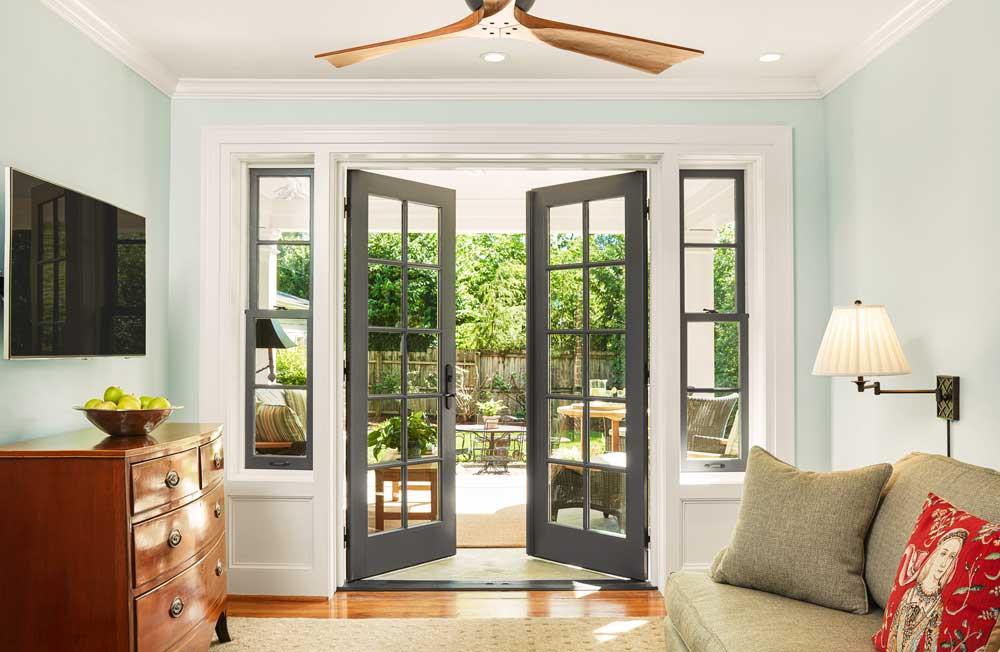
Traditionally, French doors were designed to swing inward to accommodate small exterior balconies. Today, both inswing and outswing options are available—each with distinct advantages.
Inswing French Door
- Require less space outside—ideal for patios or decks
- Can remain open during light rain without exposing the interior finish
- Less likely to be forced shut by strong winds
- Not affected by snow buildup outside
- More common and often more cost-effective
- Typically offer more screen options
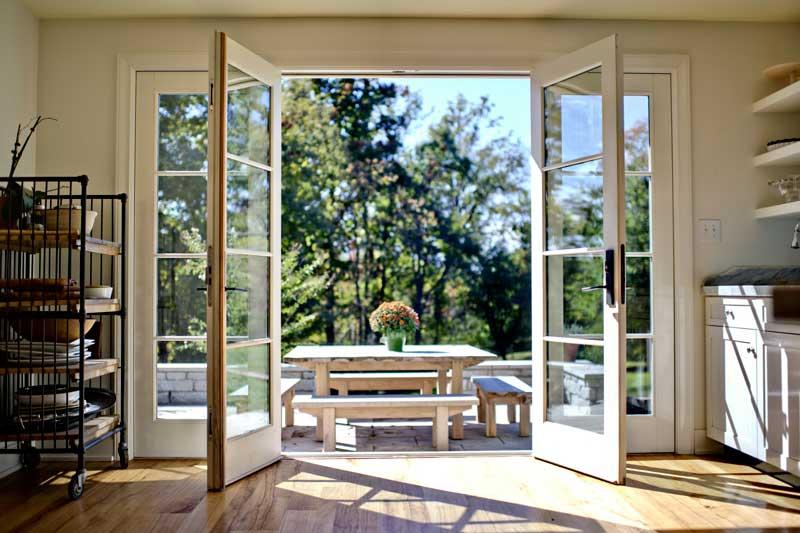
Pros of an Outswing French Door
- Requires less space indoors
- Better at resisting a forced entry
What Materials are French Doors Made of?
Aluminum
Aluminum doors are known for their strength, durability, and sleek design flexibility. They perform exceptionally well in a variety of climates and architectural styles.
Why choose aluminum doors:
- Naturally resistant to rust, corrosion, and warping
- Minimal maintenance required
- Strong enough for large openings and slim profiles
- Powder-coated finishes provide long-lasting color and protection
Wood
Wood doors are a timeless choice, offering natural beauty and lasting durability. They bring warmth and character to a wide range of home styles.
Why choose wood doors:
- Long-lasting with proper care—can perform well for decades
- Strong and resilient against daily use and temperature changes
- Unique grain and texture in every door
- Wide range of design, stain, and finish options
- Adds warmth, charm, and character to any space
- Renewable and environmentally responsible material
- Naturally insulating to help keep your home comfortable year-round
Fiberglass
Fiberglass doors are built for performance, offering strength and long-term reliability. They’re an ideal choice for homeowners looking for durability with minimal maintenance.
Why choose fiberglass doors:
- Resists warping, rotting, cracking, and fading
- Maintains shape and finish over time
- Strong enough for larger panels and slimmer frames
- Supports expansive glass for modern designs
- Energy-efficient and low maintenance
- Available in a wide variety of styles, colors, and finishes
Wood Interiors with Aluminum or Fiberglass Exteriors (Clad Doors)
Wood-clad doors combine the rich look of real wood indoors with enhanced exterior durability. They offer a refined look with dependable, low-maintenance performance.
Key benefits:
- Real wood interior for warmth and beauty
- Aluminum or fiberglass exterior for durability
- Excellent resistance to weather and wear
- Low maintenance compared to all-wood exteriors
Steel
Steel doors deliver exceptional strength along with sleek, customizable design options. They’re a great choice for homeowners who want security, durability, and a modern aesthetic.
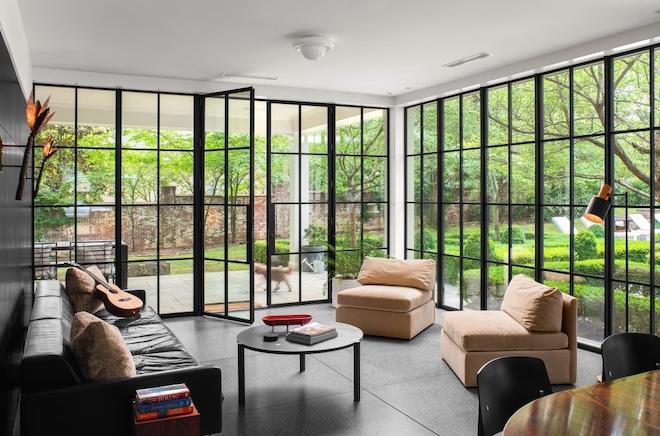
Why choose steel doors:
- Extremely durable—resists impact, prying, and forced entry
- Can be custom-designed, including laser-cut shapes
- Thermal breaks improve energy efficiency
- Stainless steel resists rust and wear
- Clean, smooth surfaces for modern aesthetics
- Works across styles—from traditional to ultra-modern
- Ideal for large glass expanses with slim profiles
Making Your French Door Unique?
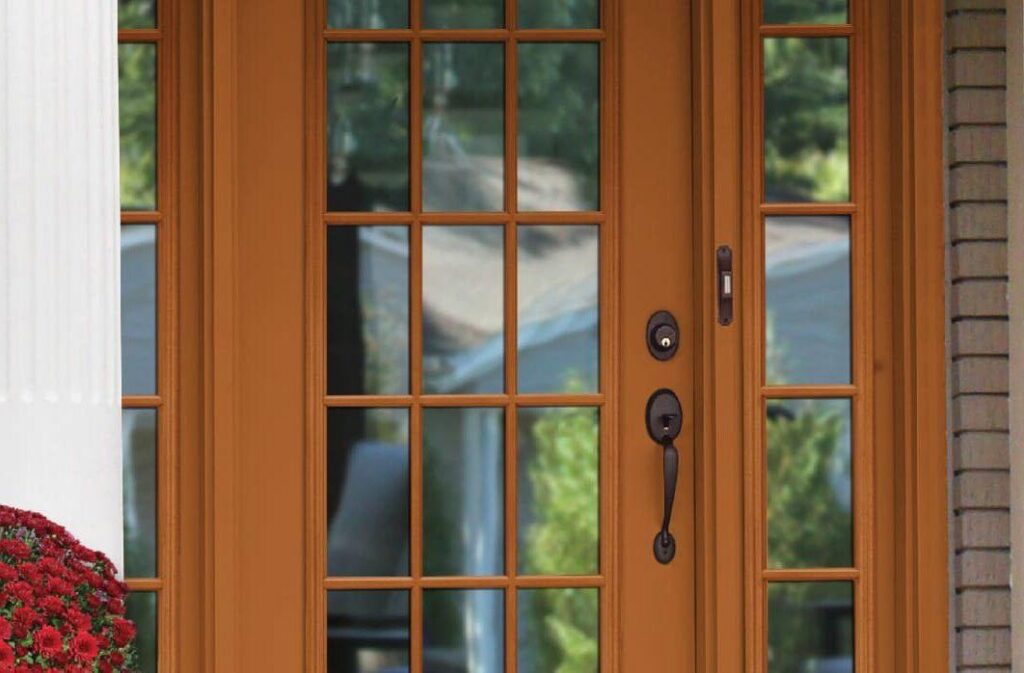
French doors may be known for their timeless look, but today’s customization options allow you to create something truly distinctive. Adding sidelites on one or both sides can expand your view and bring
in more natural light, while a transom window above the door enhances brightness and adds architectural height.
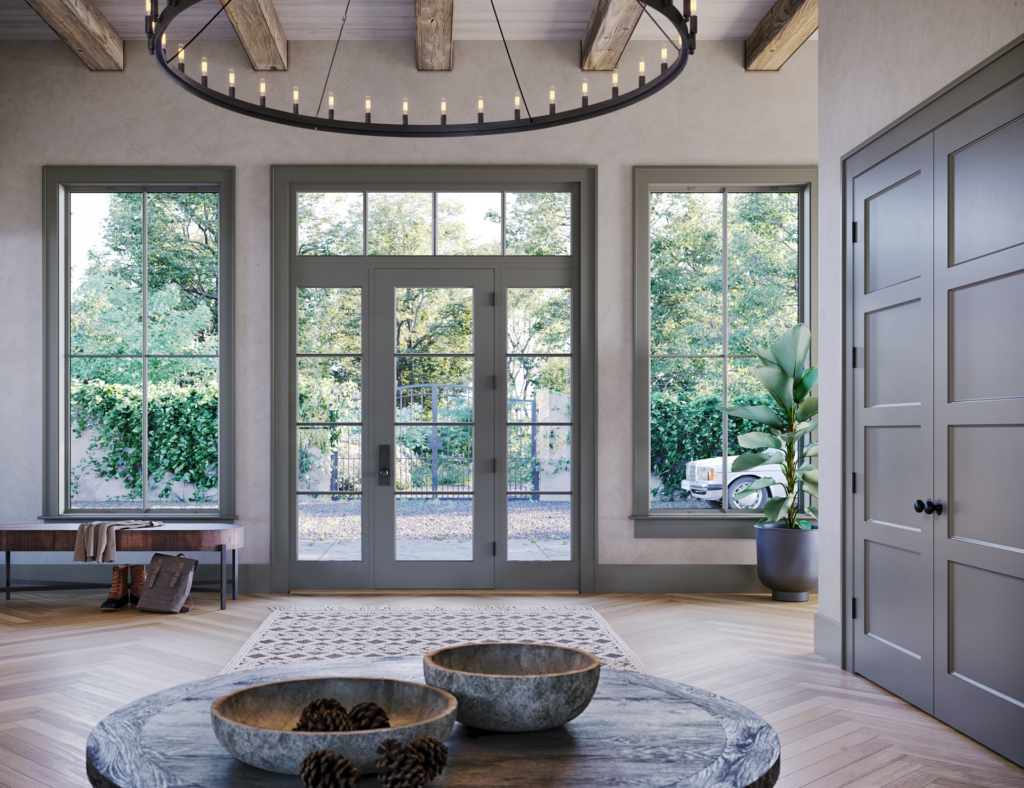
You can also tailor how your doors function. Choose a configuration where one panel operates and the other remains fixed for tighter spaces, or opt for fully operable double doors to create a wide, open transition between indoors and outdoors. Some designs even allow the active panel to connect to the stationary panel, offering added flexibility.
French doors are available in a variety of sizes and proportions, so you’re not limited to symmetrical designs. Many homeowners choose a larger primary panel paired with a narrower secondary panel to better fit their layout. With the right design choices, your French doors can become a true focal point.
Classic Grille Patterns
Grille patterns are one of the defining features of French doors, and the style you choose can significantly influence the overall look.
Popular grille options:
- Simulated Divided Lites (SDLs): Grilles are applied to the surface of the glass, creating the look of individual panes while maintaining modern energy efficiency.
- Grilles Between Glass (GBGs): Grilles are sealed between glass panes, making them easy to clean and virtually maintenance-free.
- Authentic Divided Lites (ADLs): Individual panes of glass are separated by real muntins, offering a true traditional look—ideal for historic homes or architectural authenticity.
Are French Doors Energy Efficient?
With the right materials and proper installation, French doors can deliver excellent energy efficiency. High-quality French doors use insulated glass—typically double-pane or even triple-pane—to reduce heat transfer. Low-emissivity (Low-E) coatings help reflect heat back into your home during winter and block excess heat in the summer, improving comfort year-round.
The door material also matters. Well-engineered doors resist warping and seal failure over time, helping prevent drafts and energy loss. And let’s not forget the importance of professional installation. A properly installed door should be plumb, level, and tightly sealed, with insulation applied around the frame to eliminate gaps. This ensures optimal performance and long-term efficiency.
Ready to Get Started?
French doors are more than just a design feature—they’re an investment in your home’s beauty, functionality, and comfort. If you’d like to speak with one of our design experts about adding French doors to your home, give us a call at (502) 896-1717 or visit our showroom to explore your options.