Exterior window shutters have long been a staple of home design. Before glass windows were common or affordable, shutters served several important purposes like protecting window openings and providing privacy, as well as improving insulation in winter and blocking sunlight in summer. Today, modern window technology has reduced the functional need for shutters, but they remain an important architectural and decorative feature for many homes. Available in both operable and non-operable styles, they can add charm, depth, and character to your exterior. Choosing the right shutter design, size, and installation method is essential to achieving an authentic, polished look.
Match Your Shutters to Your Home’s Style
Not every shutter style works for every home. A shutter style that complements a Victorian home may look out of place on an Arts and Crafts or farmhouse-style home. When selecting shutters, consider your home’s architectural style as well as the surrounding homes in your neighborhood. Staying true to your home’s design creates a more cohesive and timeless appearance.
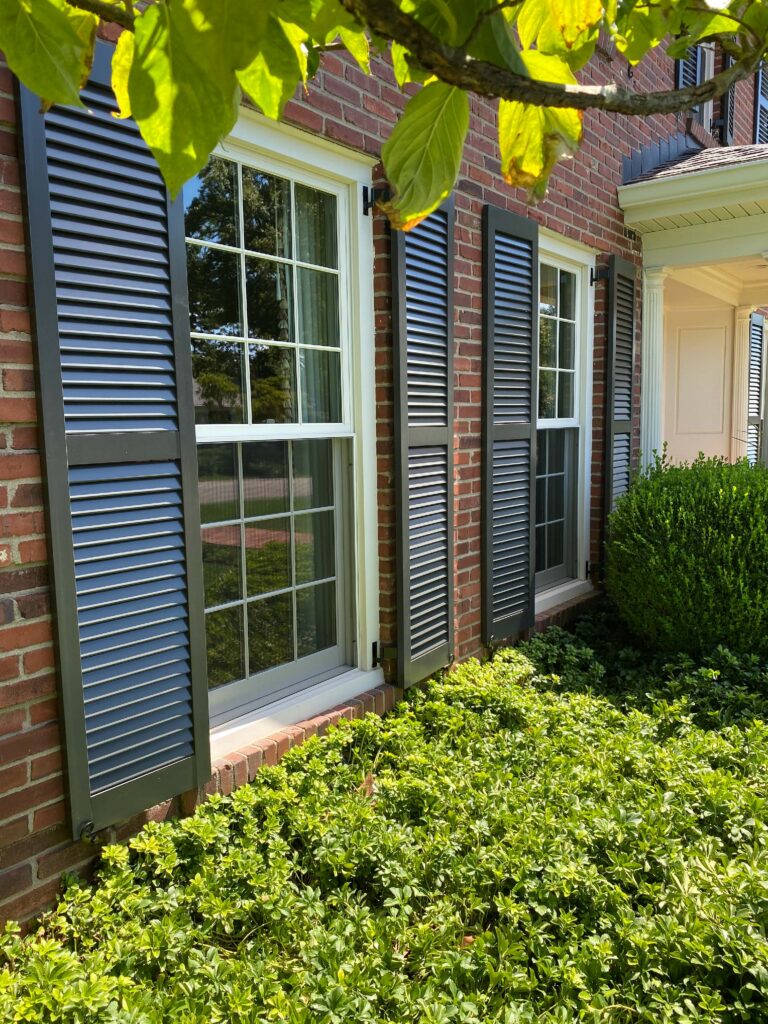
Louvered Shutters
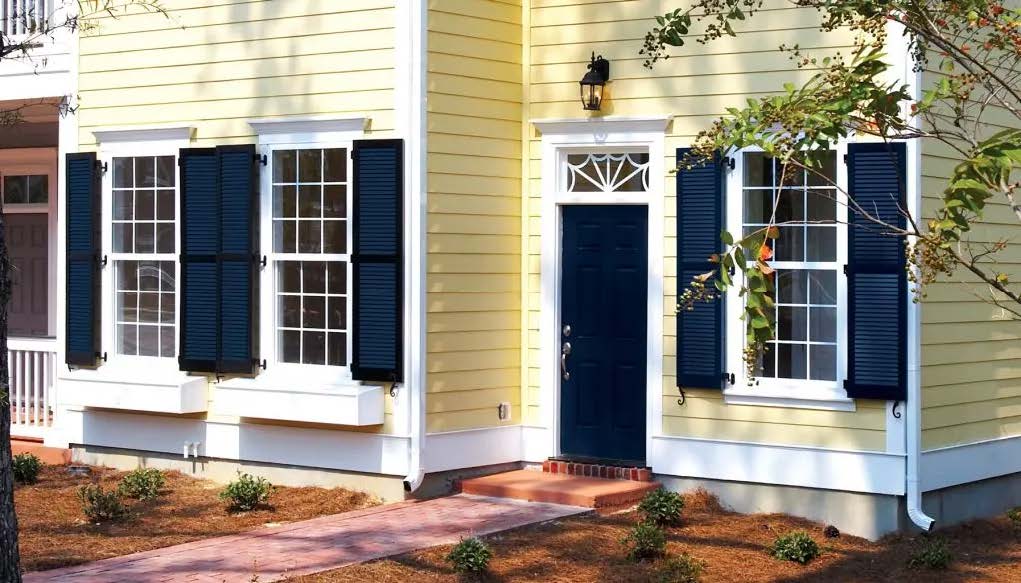
Louvered shutters feature angled slats designed to allow airflow while offering protection from rain and sunlight. Traditionally, shutters were installed so the louvers provided rain protection when closed. Today, many decorative louvered shutters are installed open, creating a familiar visual style even if the functionality is no longer practical. Louvers may be fixed or movable and can be designed as fully louvered or in louver-and-panel combinations.
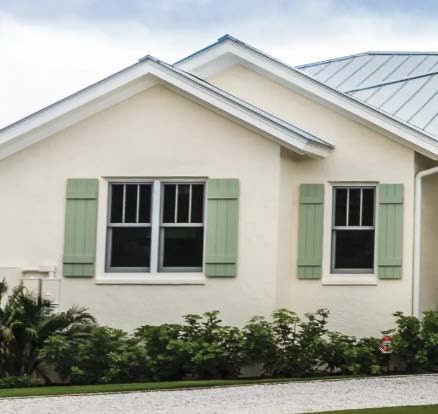
Board and Batten Shutters
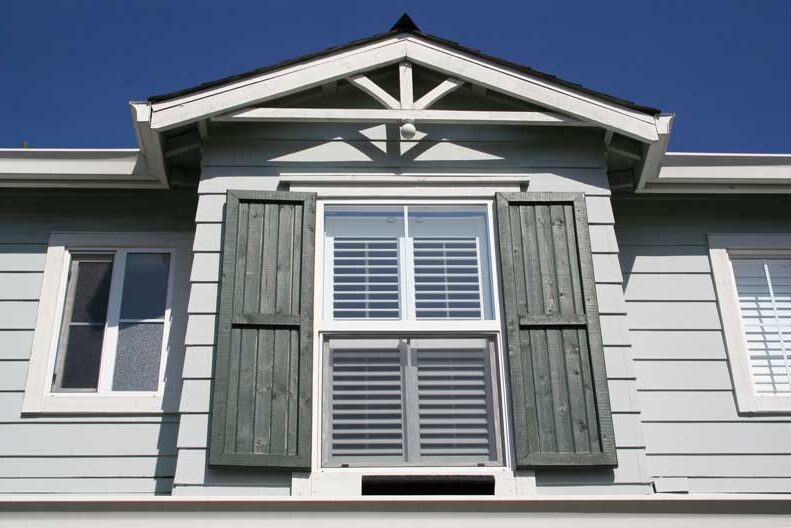
Board and batten shutters are made from vertical boards secured with horizontal or “Z” cross bracing. This style works especially well on farmhouse, cottage, Cape Cod, and Mediterranean-style homes.
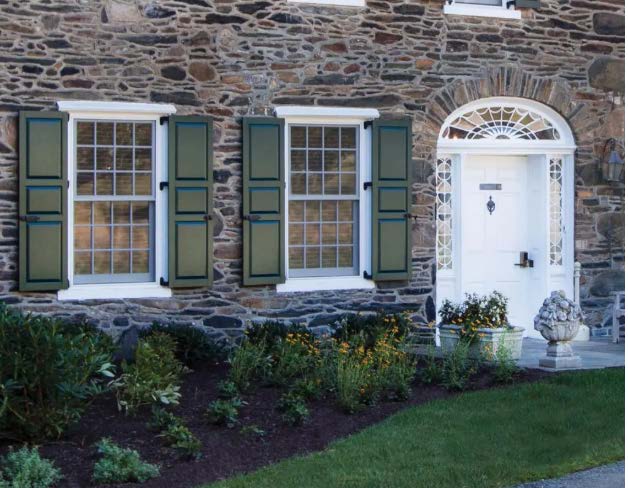
Solid Panel and Raised Panel Shutters
Panel shutters feature solid panels rather than slats. They are often identified by the number of panels per shutter. For example, three-panel shutters commonly feature a smaller panel at the top, a medium-sized panel in the center, and a larger panel at the bottom. Panel sizing varies depending on the overall shutter dimensions.
Bermuda or Bahama Shutters
Mounted above the window like an awning, Bermuda or Bahama shutters are commonly found in coastal regions. These shutters provide a distinctive Caribbean-inspired look while helping shield interiors from harsh sunlight.

Choosing the Right Shutters
Fit – Proper fit is one of the most important factors when selecting shutters. Shutters should be proportional to the windows they frame, matching the window shape and overall proportions. Well-fitted shutters enhance curb appeal and create a balanced look.
Alignment – Once the fit is correct, alignment becomes critical. The horizontal and vertical elements of the shutter should align with the structure of the window. For example, shutter rails should line up with window sash rails whenever possible. Good alignment creates visual symmetry and architectural consistency.
Architecture – Choose a shutter style that complements your home’s architecture. If you’re replacing shutters entirely, experts often recommend selecting a style that closely matches the home’s original design.
Installation – Proper installation is essential for achieving an authentic look. Shutters should not simply be attached flat against the house next to the window. Instead, they should be mounted using hinges and positioned over the window casing. Mounting shutters with hinges creates depth and natural shadow lines, giving them a more realistic and visually appealing appearance. Without this depth, shutters often look flat and artificial.
Hardware – Shutter hardware plays an important role in both appearance and authenticity. Whether you choose decorative hardware or fully operable hardware should depend on your home’s architectural style and the look you want to achieve. Many modern homes feature face-mounted shutters with little or no visible hardware. for a clean, streamlined appearance.
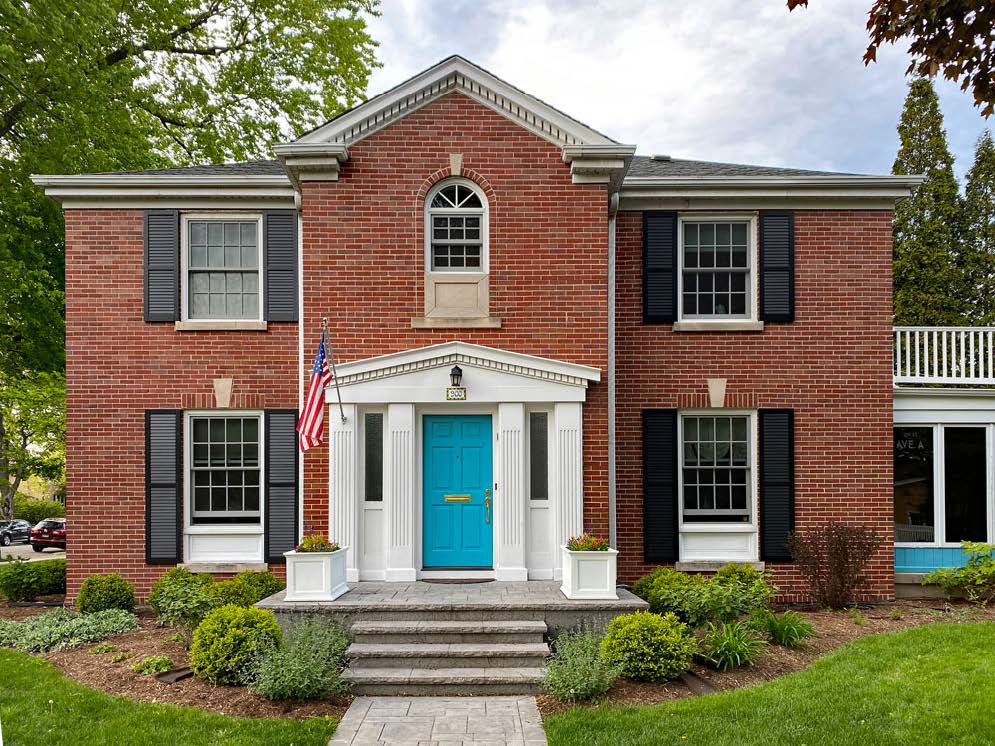
For traditional, historic, or farmhouse-style homes, however, visible hardware can add character and architectural detail. Decorative or functional hinges, hinge straps, and S-shaped holdbacks (also called shutter dogs) help create the appearance of operable shutters and give the installation greater depth and authenticity.
Maintenance and Repair
Regular maintenance helps extend the life of your shutters and protect your investment. Proper care preserves both their appearance and structural integrity. We spoke with Phil Patterson, owner of Phillip Patterson Painting Inc., about shutter maintenance, repair, and replacement. His guidance provides helpful insight into keeping shutters in excellent condition.
Repair or Replace?
How do you know whether shutters should be repaired or replaced? Patterson recommends evaluating them using this checklist:
- Small cracks or holes can often be repaired with caulk or wood putty.
- Moderate rot can sometimes be removed, sealed, and filled with Bondo.
- Loose or missing slats may be reinstalled and reinforced with brackets.
- Severely rotted bottom sections may be cut out and replaced with new wood, though this can be labor-intensive.
- Metal hardware such as hinges, straps, and holdbacks can often be replaced independently of the shutter itself.
- If hardware is structurally sound but cosmetically worn, it can often be stripped and repainted.
As Patterson notes, it’s important to be practical: before investing too much time and money into heavily damaged shutters, homeowners should carefully weigh whether repair or replacement is the better long-term option.
Maintaining Existing Shutters
Routine maintenance is key to maximizing the lifespan of wood shutters. According to Patterson, paint is the first line of defense. Once paint begins cracking or peeling, moisture can penetrate the wood and lead to rot.
One especially effective preventative measure is installing metal caps along the top edge of each shutter. These caps help prevent water intrusion, especially in areas exposed to direct sunlight and weather. Regular cleaning is also important. Dirt, debris, insects, birds, and even bats can contribute to wear over time. Clean shutters regularly using a soft-bristled brush on both sides to help maintain their appearance and condition.
Common Mistakes to Avoid
Homeowners often shorten the life of their shutters by overlooking basic maintenance. Common mistakes include:
- Not repainting often enough. Shutters should typically be painted more frequently than the exterior siding of the home.
- Failing to install metal caps on the top edges, which provide important protection from the sun and wet weather conditions.
- Not supporting the outside bottom corner with an S-hook, especially on wider shutters, which can sag over time and cause slats to loosen or fall out.
In general, the best way to protect your shutters is through consistent maintenance. Keeping them clean, properly painted, and structurally supported can significantly extend their lifespan. In many cases, full replacement isn’t necessary. Professional repairs are often enough to restore shutters and keep them both functional and visually appealing for years to come. If you’d like to learn more about shutters, our design experts would love to talk with you. Give us a call at 502-896-1717 or contact us today!